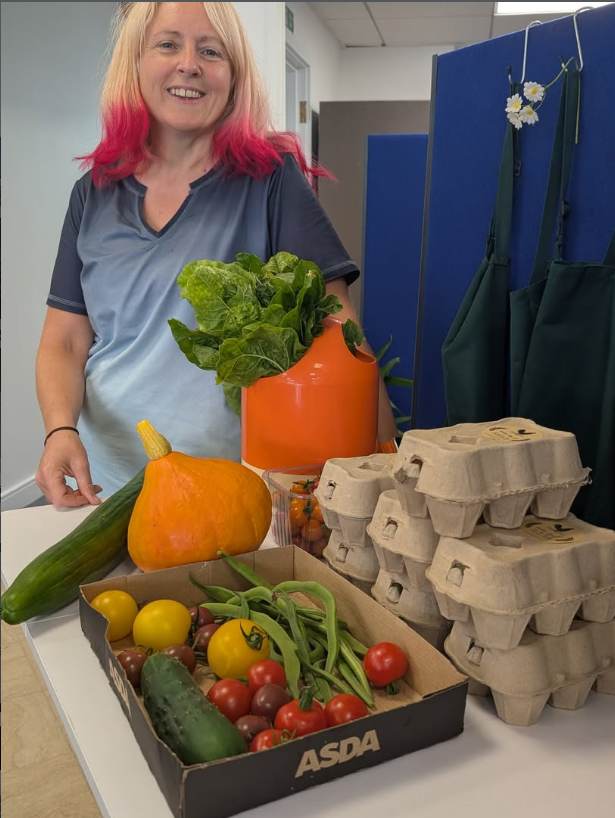
Growing Together: Redesigning Our Poly tunnel for Better Access and Bigger Impact

At our community allotment, we have always believed that growing food should be something everyone can take part in. Soil under the fingernails, a cup of tea balanced on a compost bag, seedlings standing to attention in neat rows, these small things build confidence, friendships and food security all at once.

Recently, after a really positive conversation with Parkinson’s UK (https://www.parkinsons.org.uk) and the fantastic Ian Rogers, we took a long, honest look at our community poly tunnel.

And we realised something important.

It wasn’t working as well as it could.

The Problem We Couldn’t Ignore

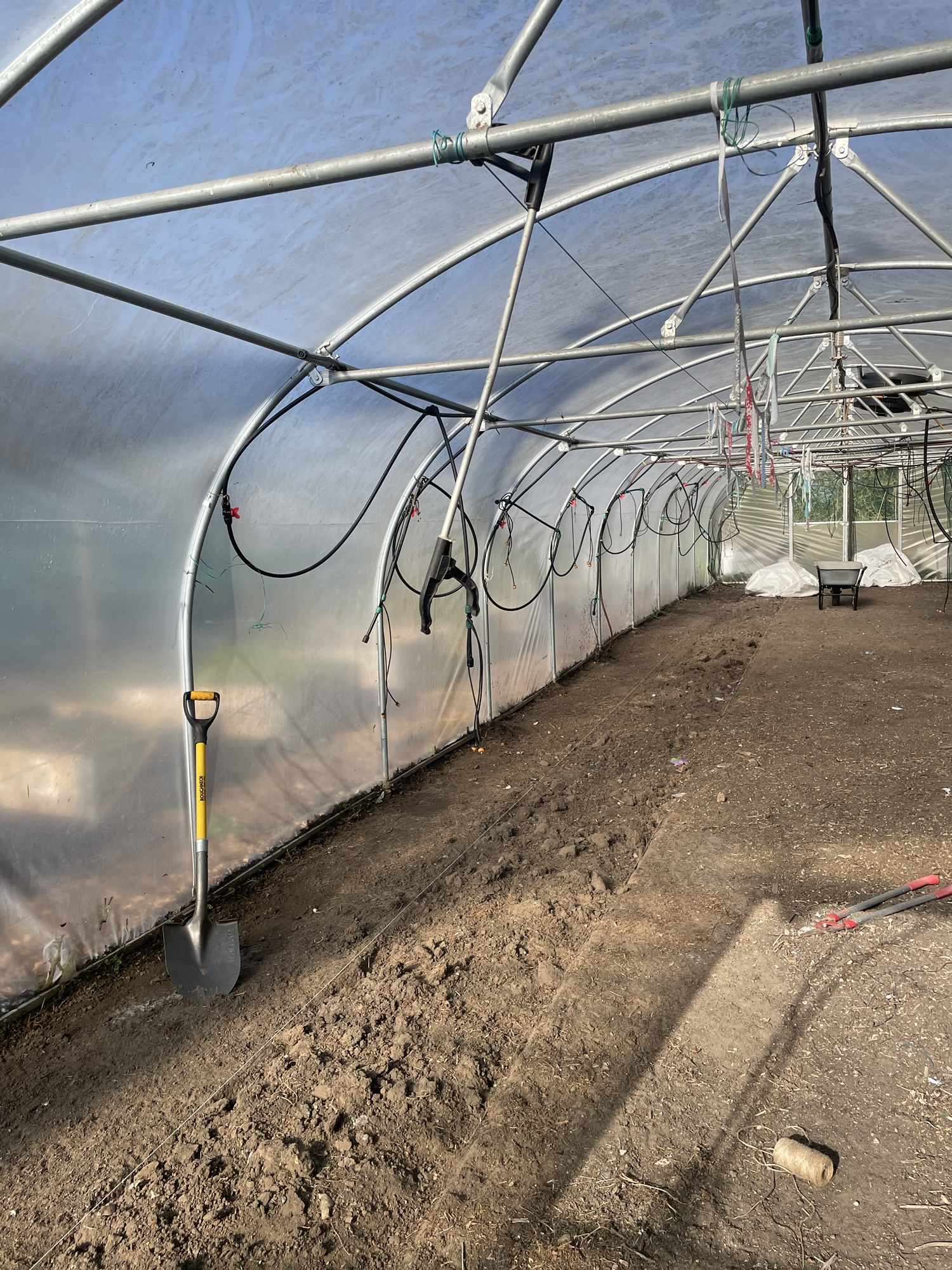
Over time, the poly tunnel floor had become uneven and tricky to navigate. For volunteers with mobility challenges, including those living with Parkinson’s, the space could feel uncertain underfoot. Gardening should feel grounding, not precarious.

Accessibility is not a “nice extra”. It is the difference between watching from the sidelines and getting stuck in.

So we decided to change it.

A Fresh Start for the Whole Space

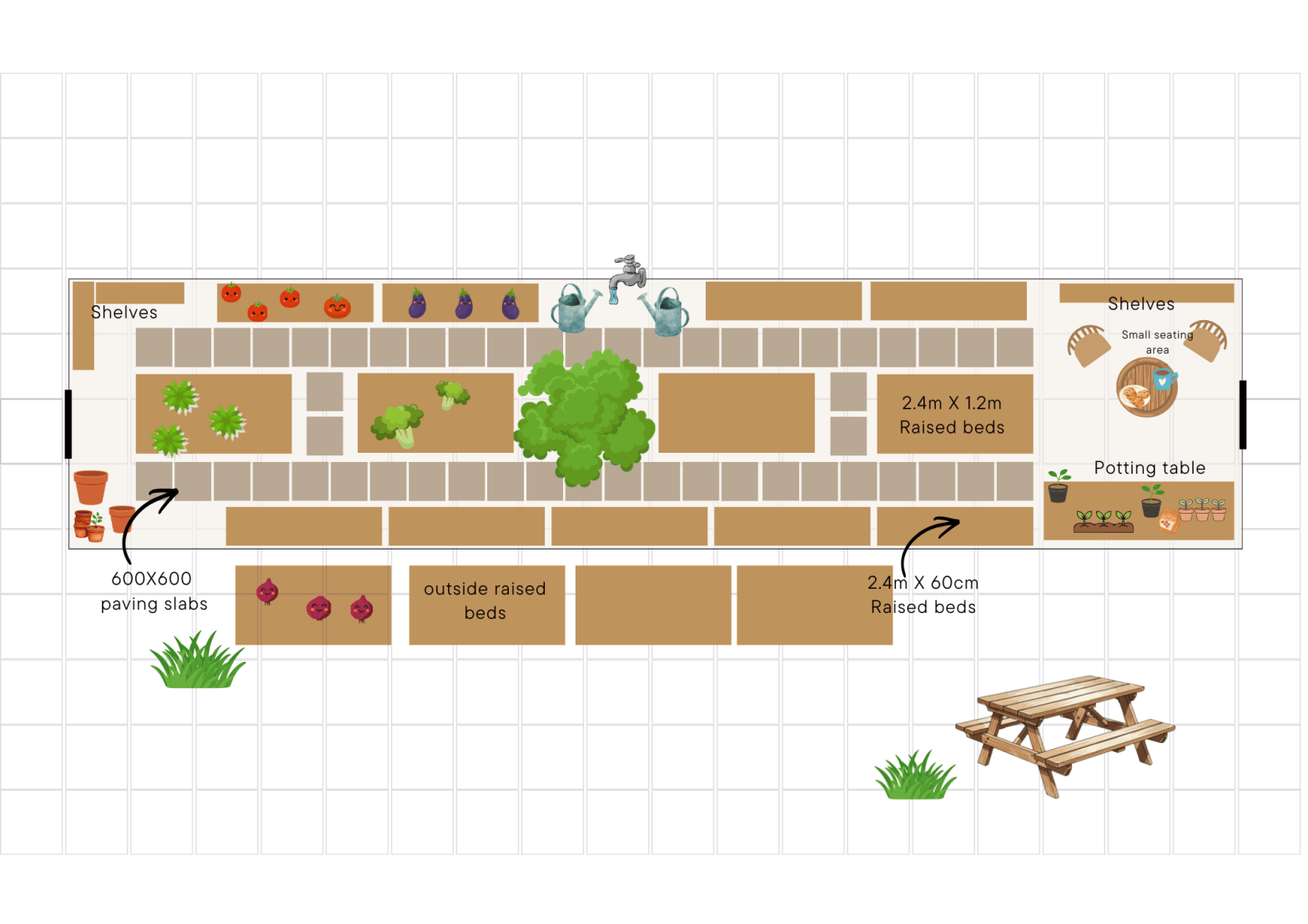
We are now redesigning the poly tunnel from the ground up, literally.

This includes:

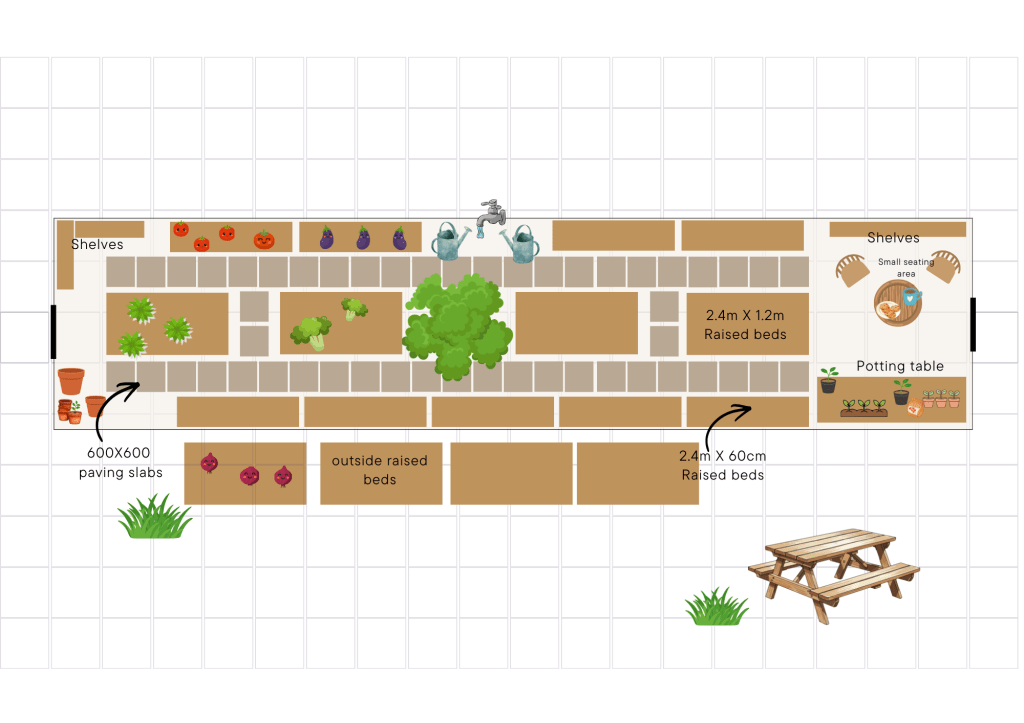
  • Levelling and stabilising the flooring to create safe, even access
  • Installing accessible raised beds at comfortable working heights
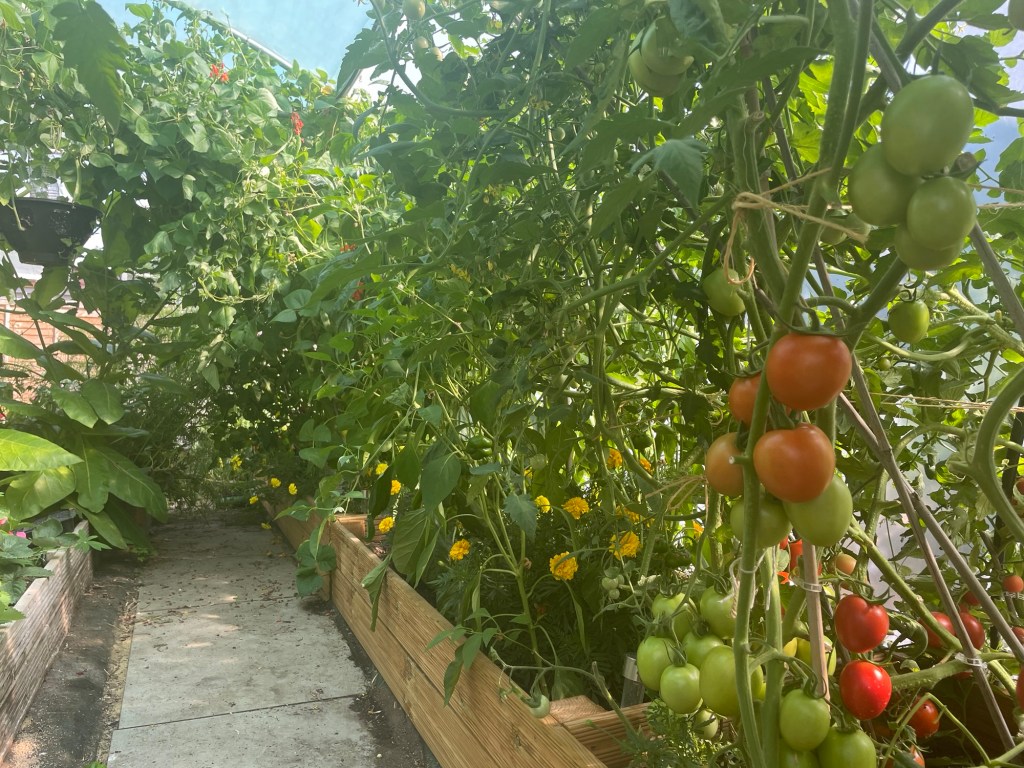
  • Creating wider, clearer pathways for wheelchairs and mobility aids
  • Planning the layout, so more volunteers can work side by side

Instead of a space that some people could manage, we are building one that welcomes everyone.

Why This Matters

For many people, especially those managing long-term health conditions, gardening offers more than fresh produce.

It provides:

  • Gentle, meaningful physical activity
  • Routine and purpose
  • Social connection
  • Improved confidence

We have seen how powerful this can be. A shared harvest often grows friendships alongside tomatoes.

By redesigning the poly tunnel, we are not just improving a structure. We are strengthening inclusion.

Growing for Good 🌿

This redesign also means we can expand our Grow for Good work, increasing the amount of fresh produce we donate to local food support projects, including The Shelf in Diss.

More accessible beds mean:

  • More volunteers
  • Longer growing seasons
  • Greater yields
  • More fresh, nutritious food for families who need it

Accessibility and food security go hand in hand. When more people can take part, more good flows outward.

Looking Ahead

We are genuinely excited about this next chapter. The poly tunnel is becoming more than a growing space. It is evolving into a shared, inclusive hub where experience does not matter, mobility does not limit participation, and everyone has a role.

Seeds do not ask who plants them. They simply grow.

And now, our space will allow even more people to do exactly that.

If you would like to volunteer, partner with us, or find out more about our Grow for Good project, please get in touch. We would love to welcome you into the next season of growth.

New Year, New Growth (Even if It’s Below the Surface)

January at the allotment does not shout. It whispers.

The beds outside rest under frost. The trees stand still and architectural against pale skies. But step inside the poly tunnel and you will see it: trays of seedlings lined up like quiet promises.

This is planning season. And possibility season.

A Space That Works for Everyone

Our redesigned poly tunnel has made winter volunteering possible in ways we could not have imagined before. The even flooring and raised beds mean that volunteers of all ages and abilities can take part safely and comfortably.

We have started the year with:

  • Winter salad leaves under cover
  • Early onions and broad beans
  • Seed planning sessions with volunteers
  • Accessible growing workshops

More volunteers are coming forward, and we are actively encouraging those who may have felt unsure before to give it a try. The space now says, clearly: you are welcome here.

Growing for Good in 2026

Even in January, we are preparing for our biggest Grow for Good season yet. Our aim this year is simple:

  • Increase volunteer participation
  • Expand accessible growing areas
  • Grow more fresh produce for local food support

Demand for fresh food support remains high. As energy bills and living costs continue to affect families locally, we know that every bag of salad leaves, every bunch of herbs, every tray of seedlings matters.

More Than Growing

The allotment in winter becomes something slightly different. It is slower. Conversations linger longer. Plans are drawn up over flasks of soup.

We talk about:

  • Training more volunteer growers
  • Partnering with local health and wellbeing groups
  • Creating even more inclusive spaces outdoors

Gardening teaches patience better than any self help book. Nothing visible may be happening in the frozen soil, yet beneath the surface roots are strengthening.

And so are we.

Here’s to a year of deeper roots, wider access, fuller harvests and more growing for good.

Harvest, Hearth & Holding On to the Light

If summer is a trumpet fanfare, October is a cello. Slower. Warmer. Rich with depth.

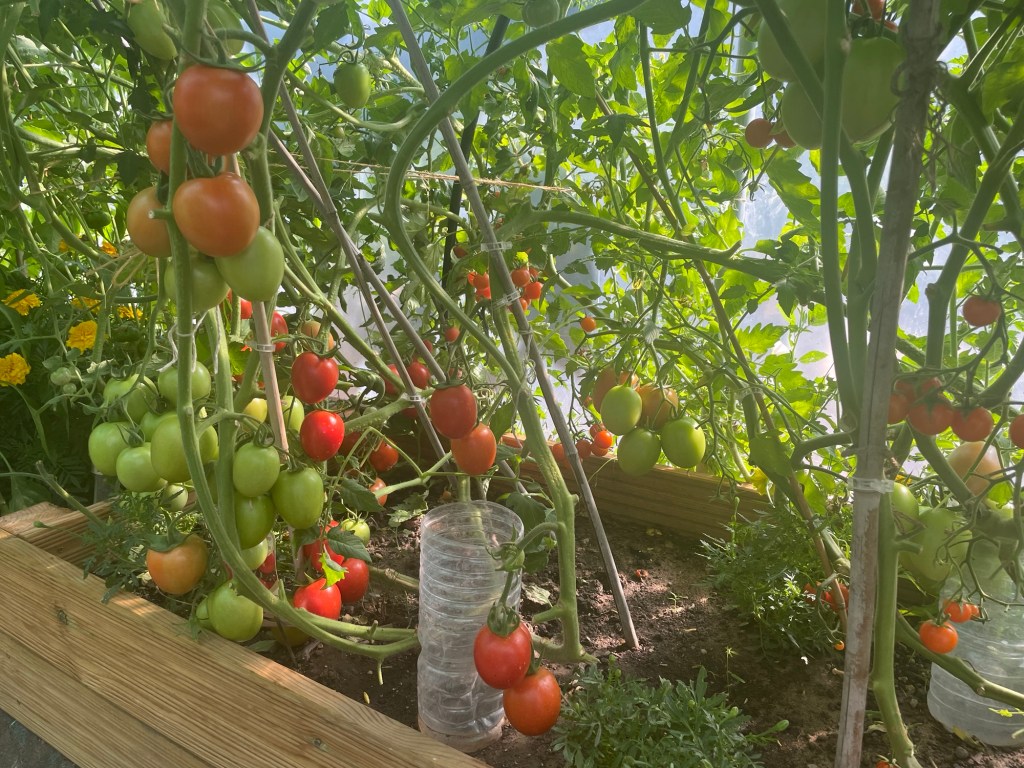
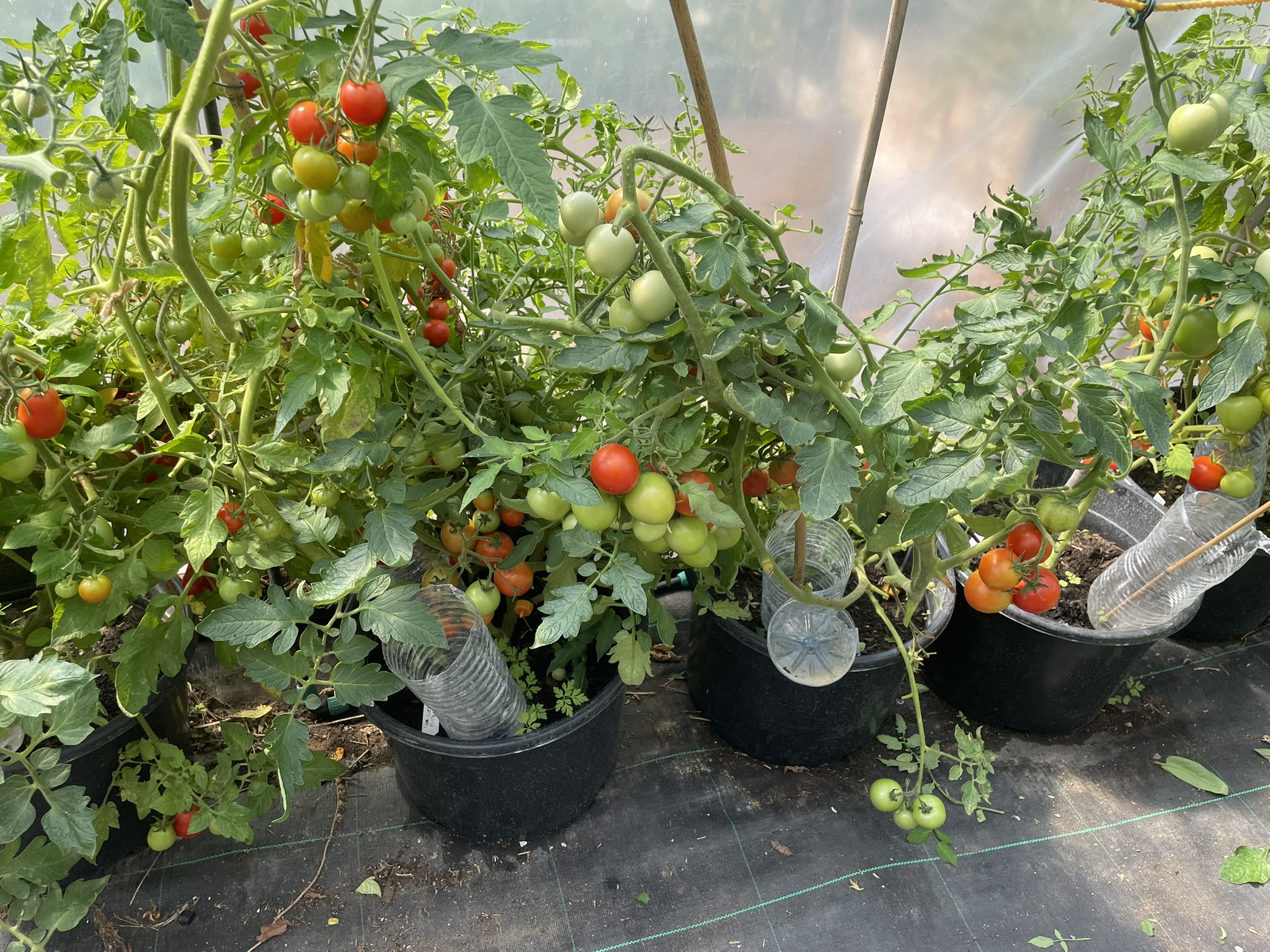
Our community allotment has been humming with that mellow energy these past weeks. The poly tunnel, newly levelled and more accessible, has truly come into its own. Volunteers who once hesitated on the uneven ground are now moving confidently between beds, harvesting peppers, late tomatoes and armfuls of chard.

The raised beds we installed earlier this year are proving their worth. Volunteers including those living with mobility challenges have been working comfortably at a height that suits them. There is something quietly powerful about watching someone realise, “I can do this.”

Growing for Good – Autumn Edition

Our Grow for Good scheme is still in full swing. This month alone we have donated crates of:

  • Courgettes
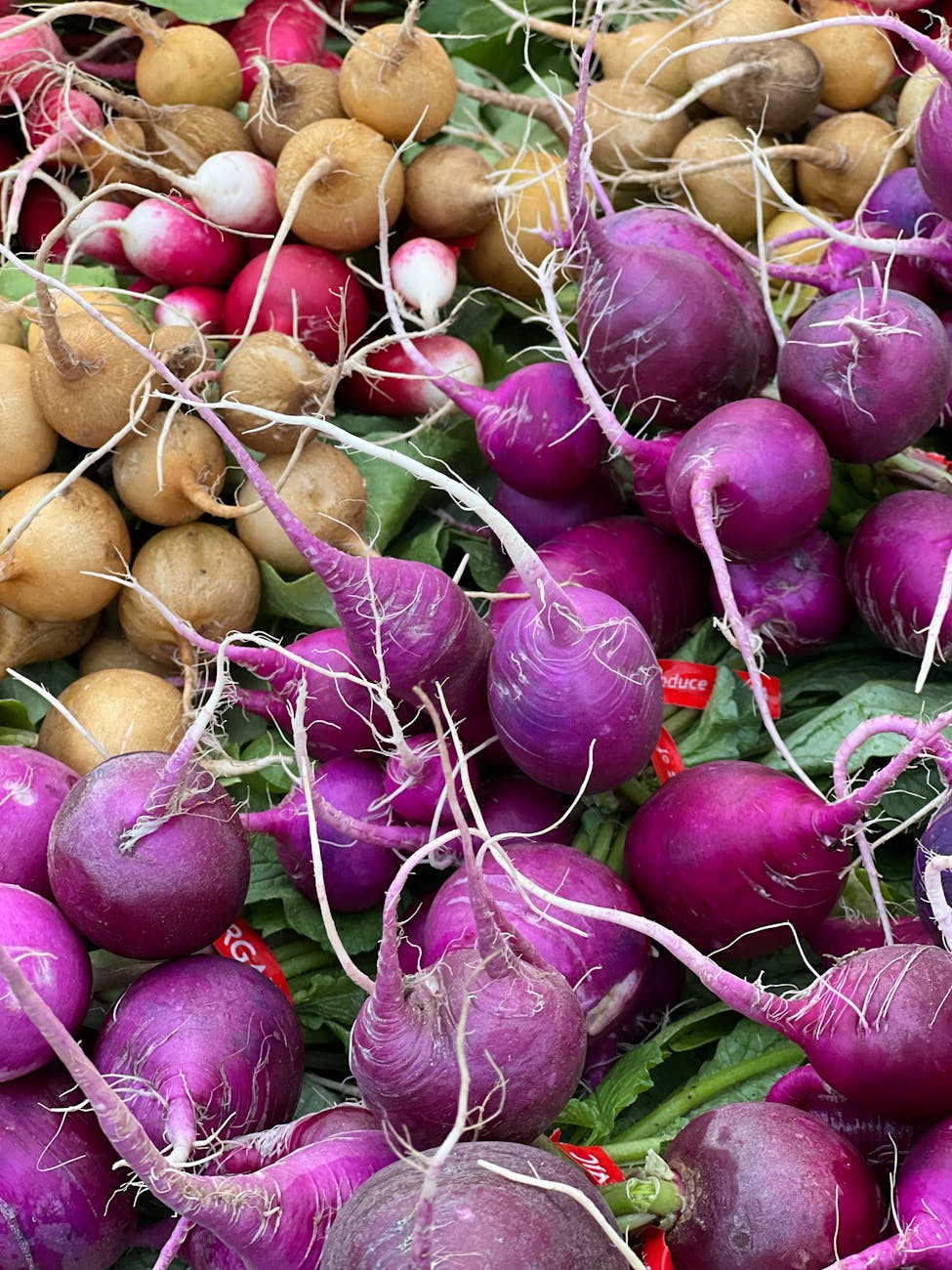
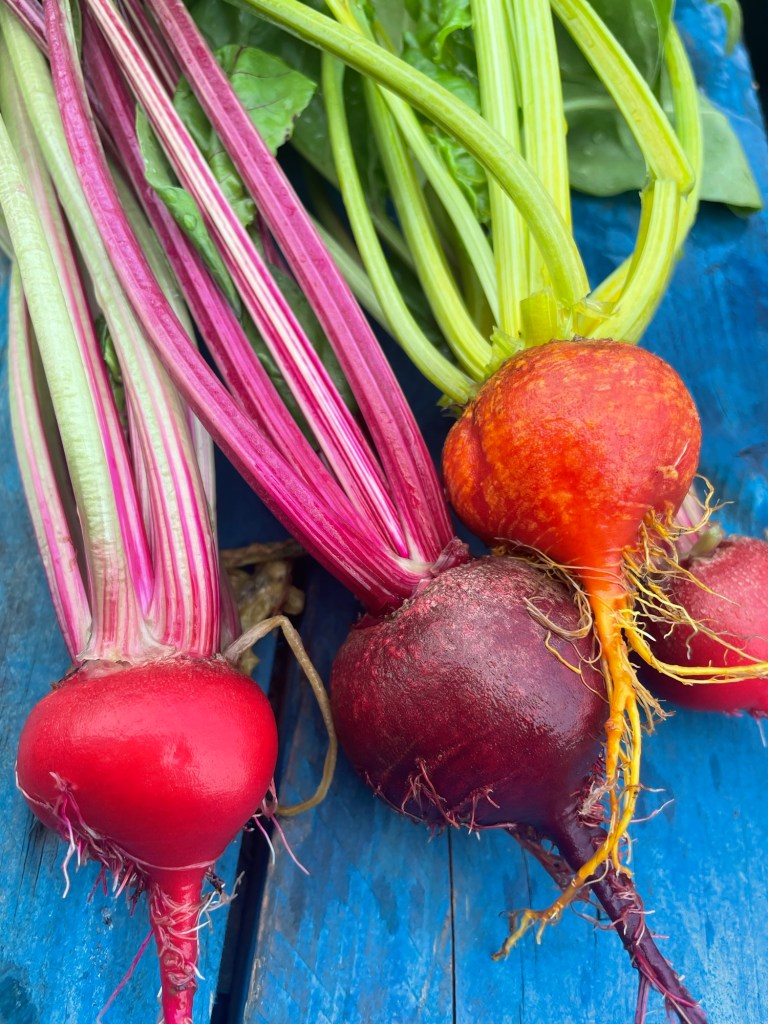
  • Beetroot
  • Kale
  • Fresh herbs
  • Late runner beans

All heading straight to The Shelf in Diss and local families who benefit from fresh, nutritious produce.

Food insecurity does not disappear when the leaves turn. In fact, for many households, winter brings increased pressure. Knowing that what we grow is reaching people who need it most keeps us motivated as the days shorten.

Community Around the Compost Heap

October has also brought:

  • Volunteer drop in mornings with hot tea and seed saving
  • A mini pumpkin harvest for local children
  • Autumn bed prep sessions ready for overwintering crops

There is a lovely symmetry to this time of year. While we harvest the final crops, we also plant garlic and broad beans for spring. It is hope in bulb form.

As we look towards winter, our focus shifts to planning, preserving and protecting the soil. The polytunnel will keep us growing, but we are also dreaming bigger. More accessible beds. More partnerships. More produce for good.

Because this allotment is not just about vegetables. It is about belonging.

And that, thankfully, is perennial.

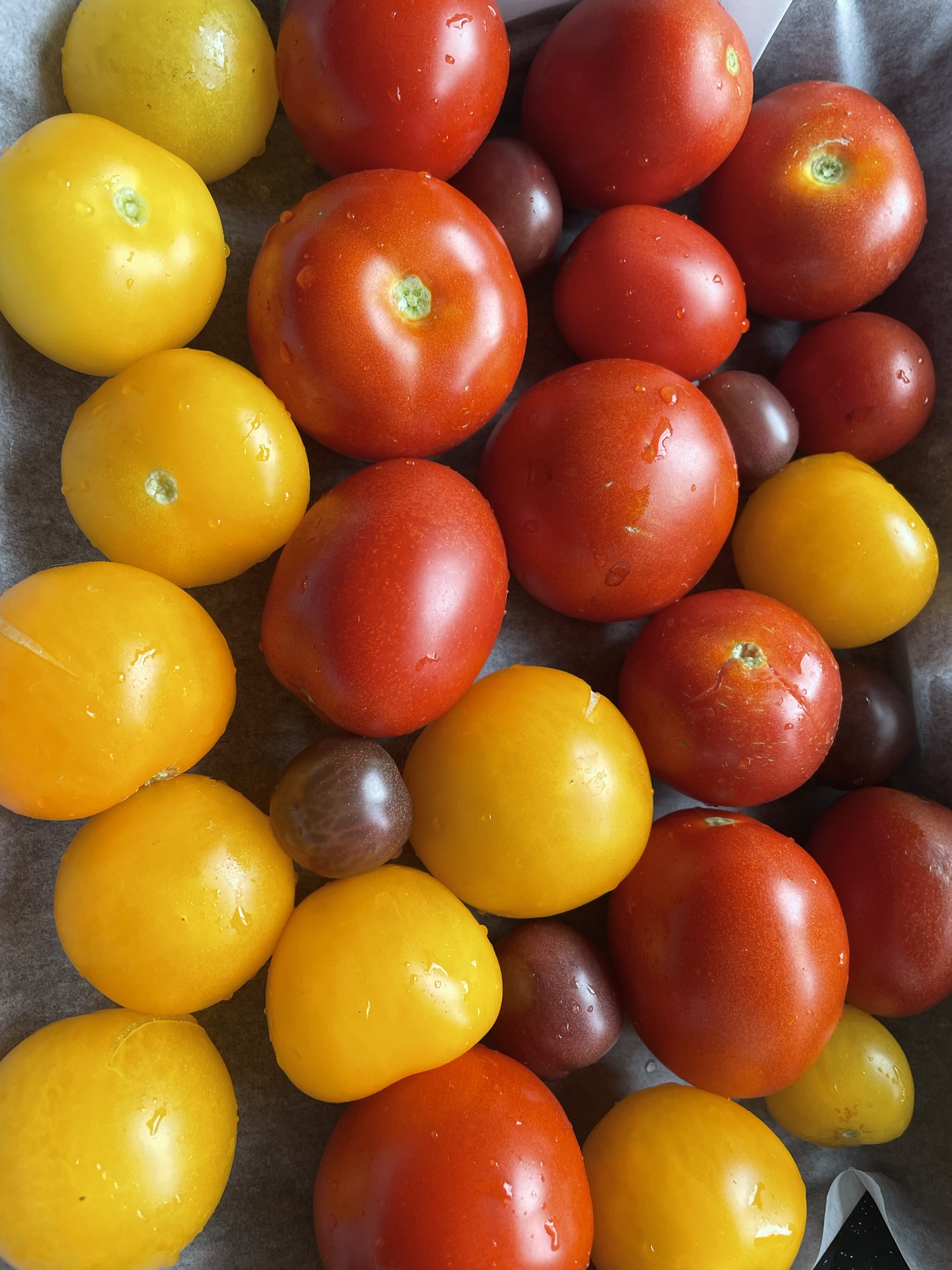
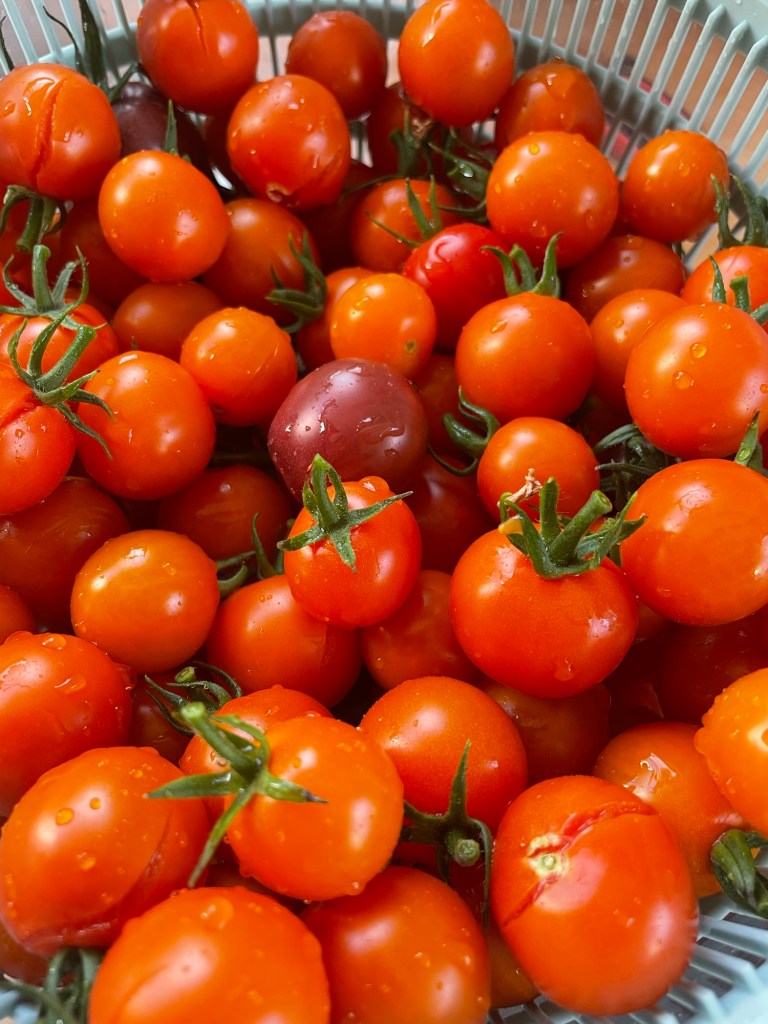
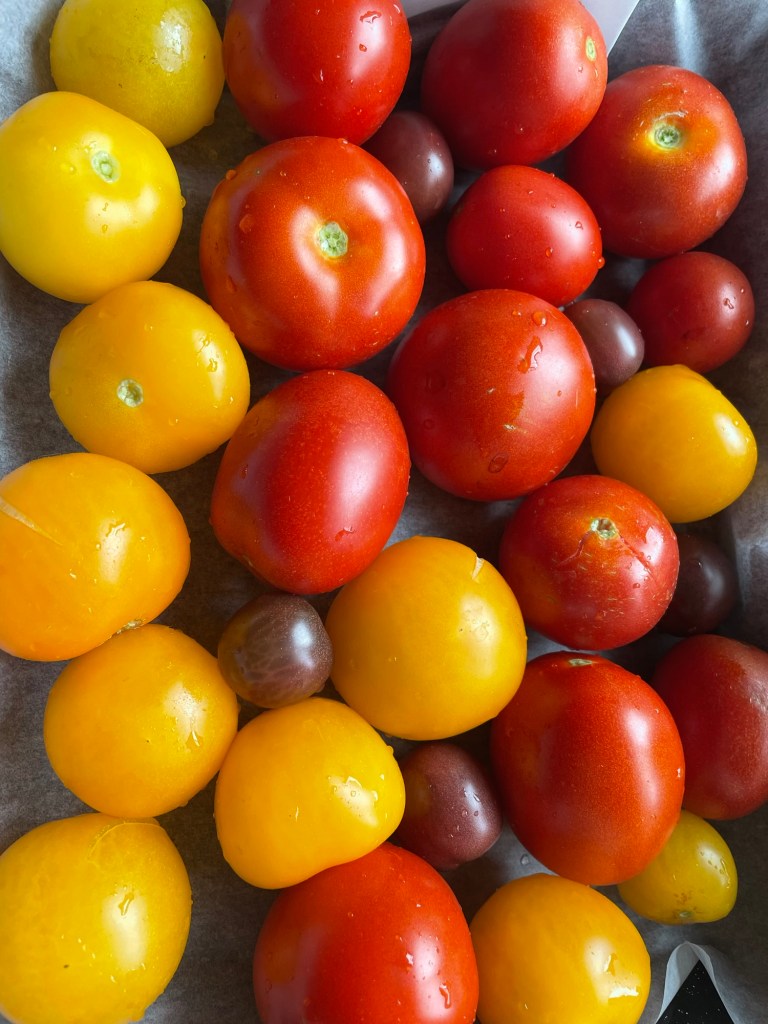
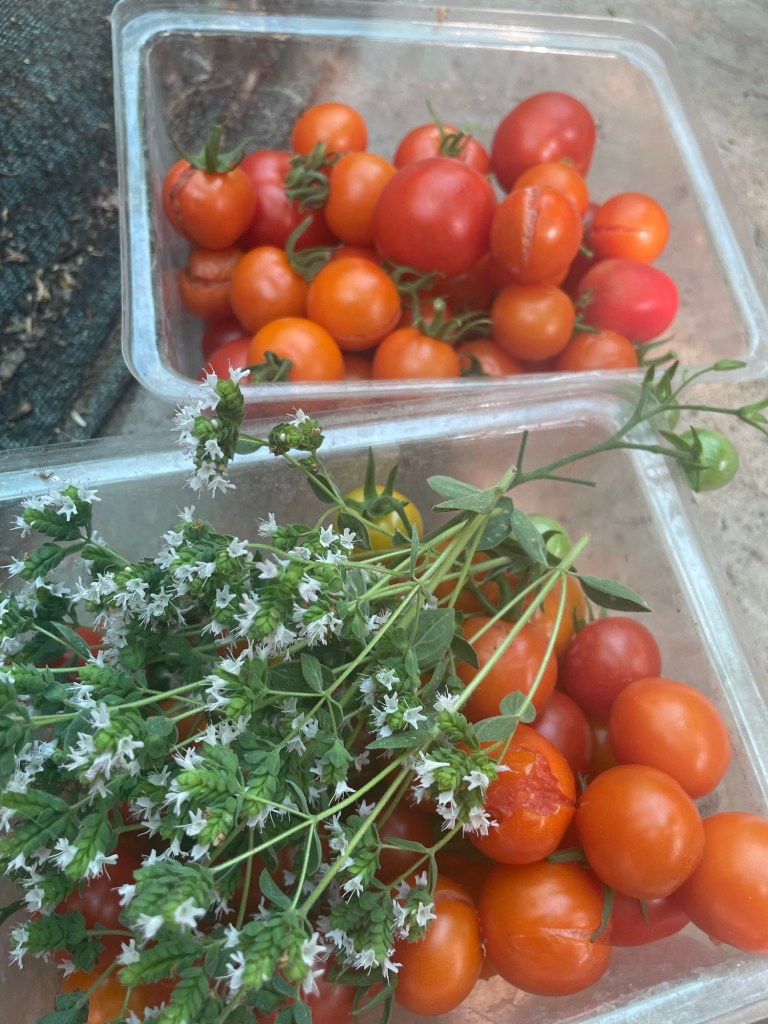
Lets talk tomatoes!

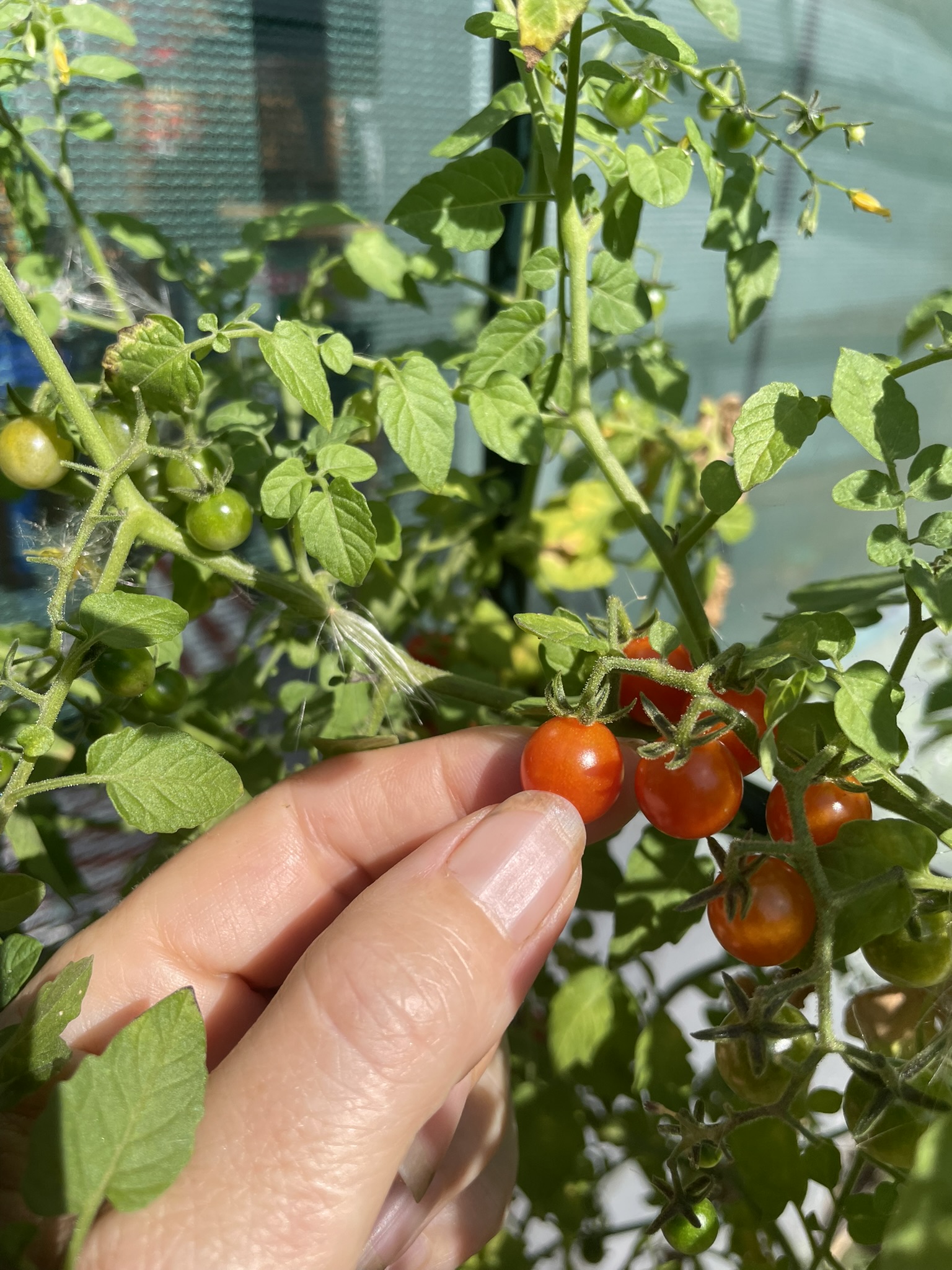
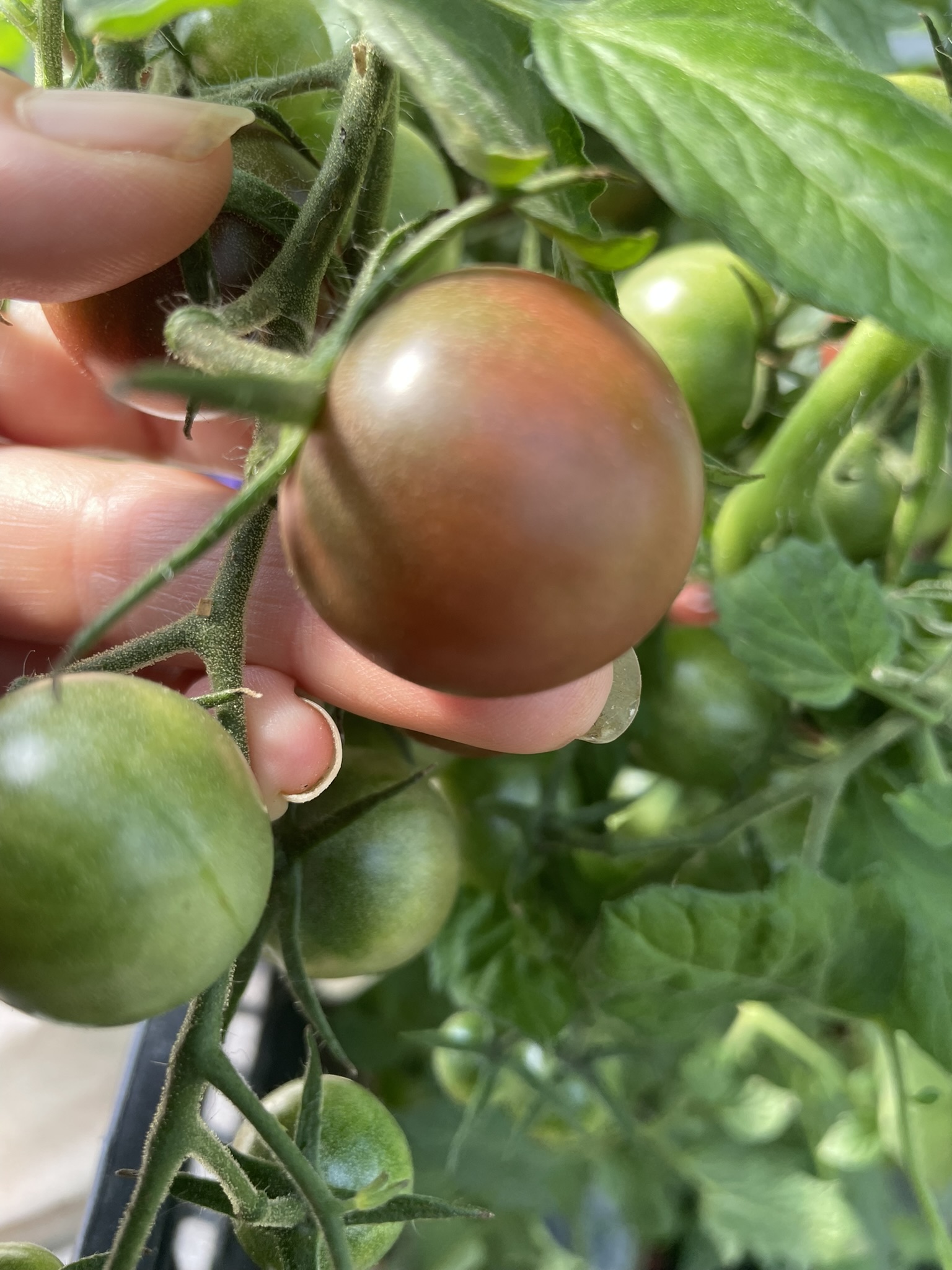
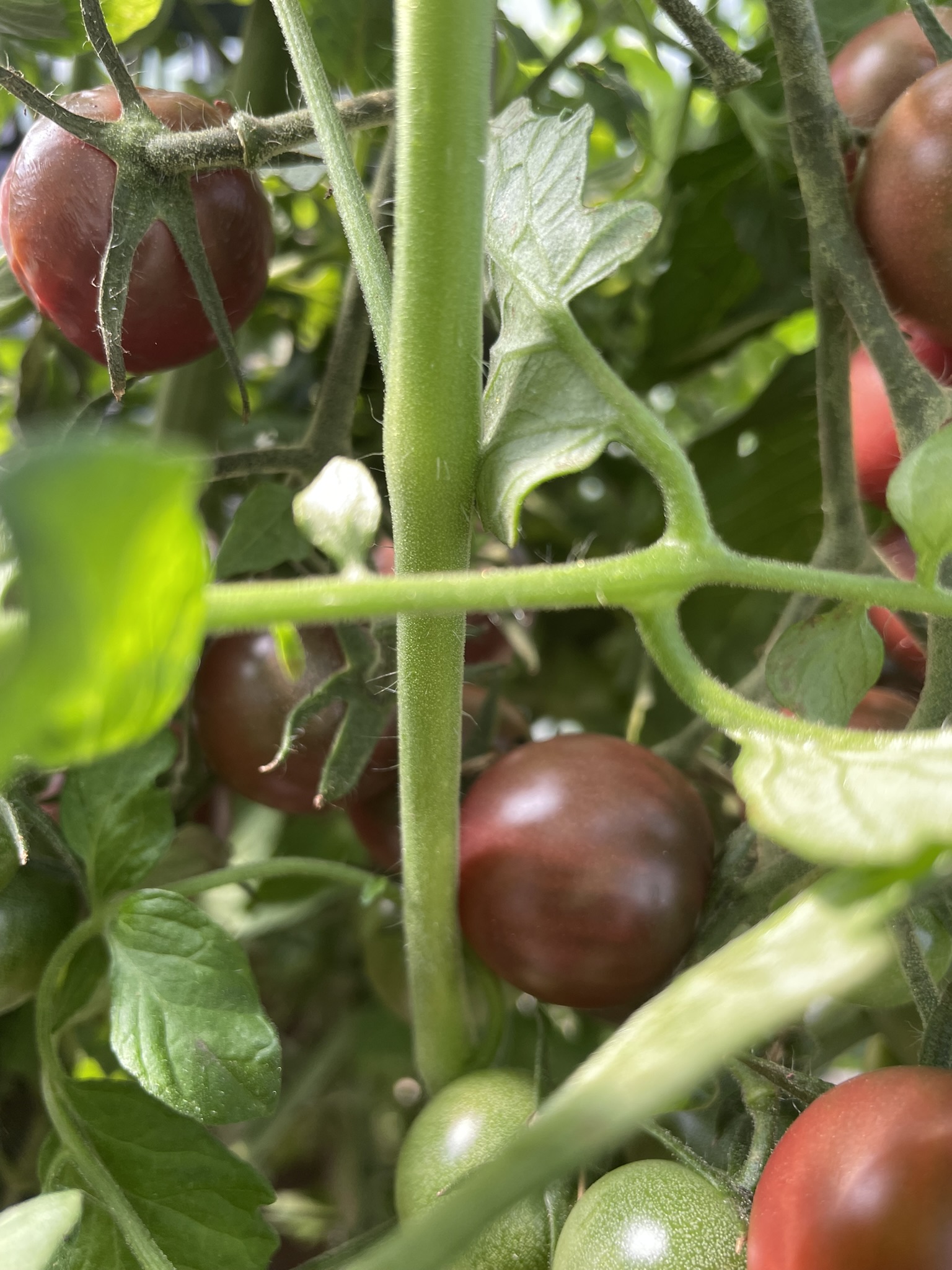
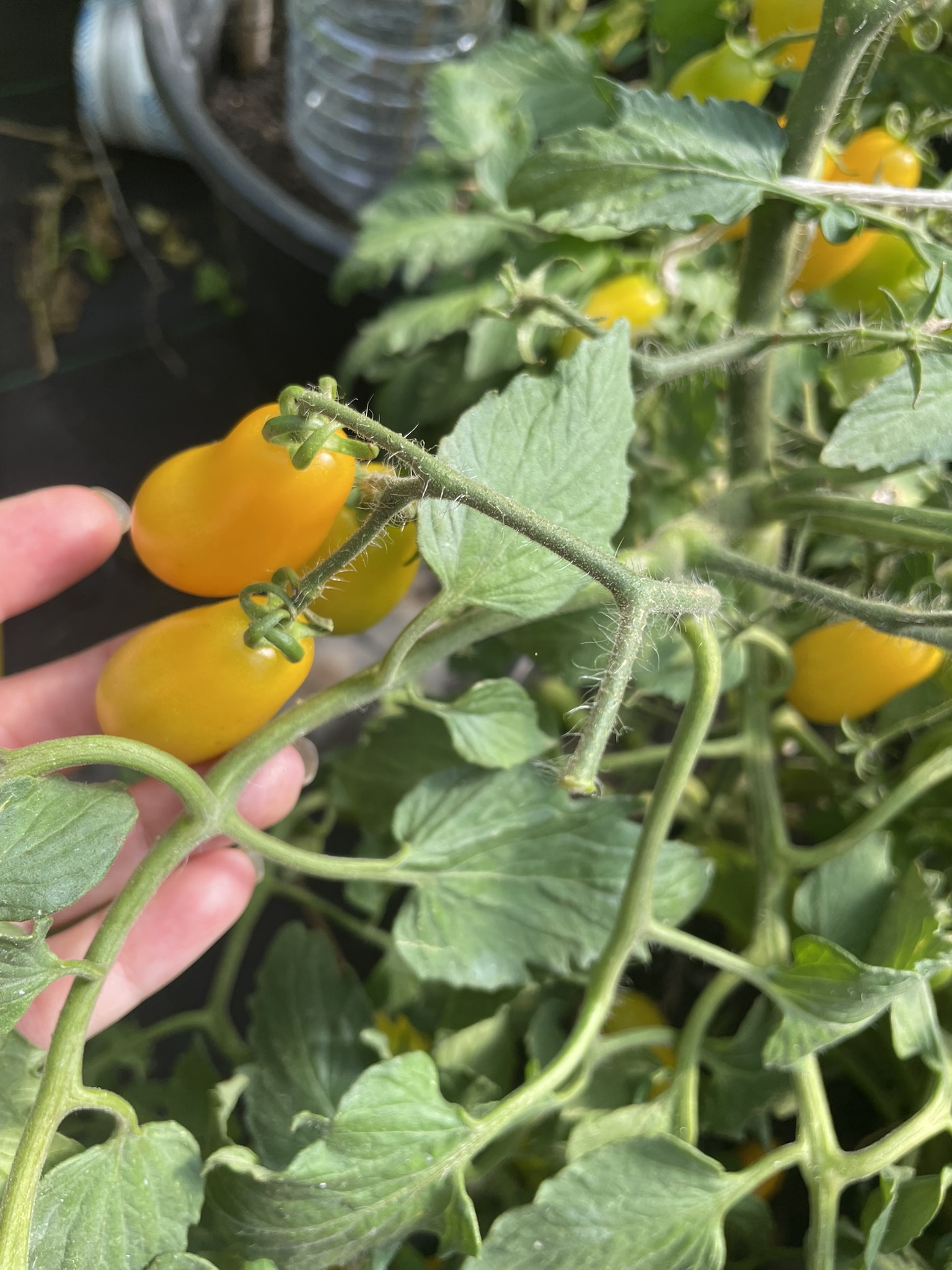
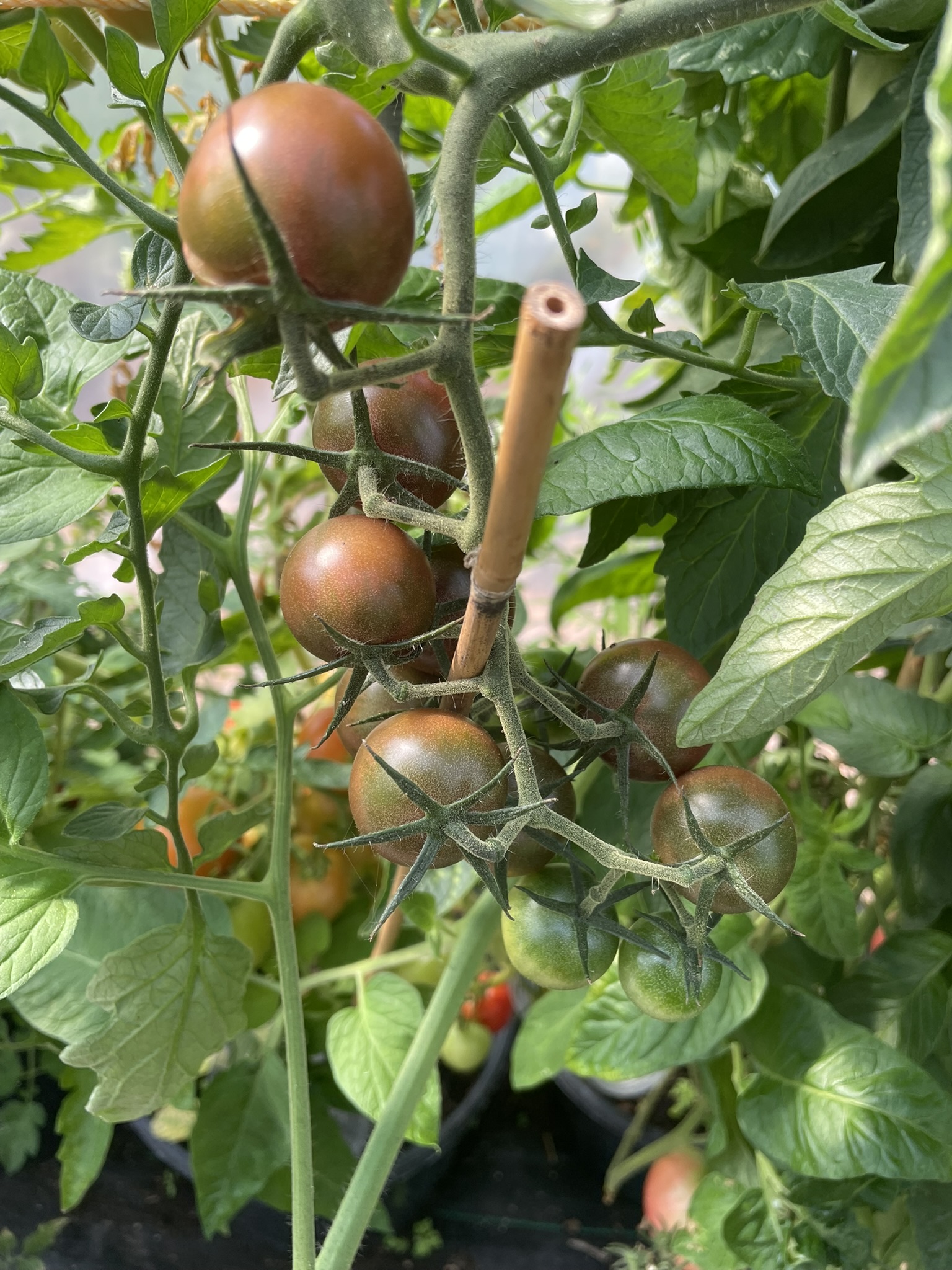
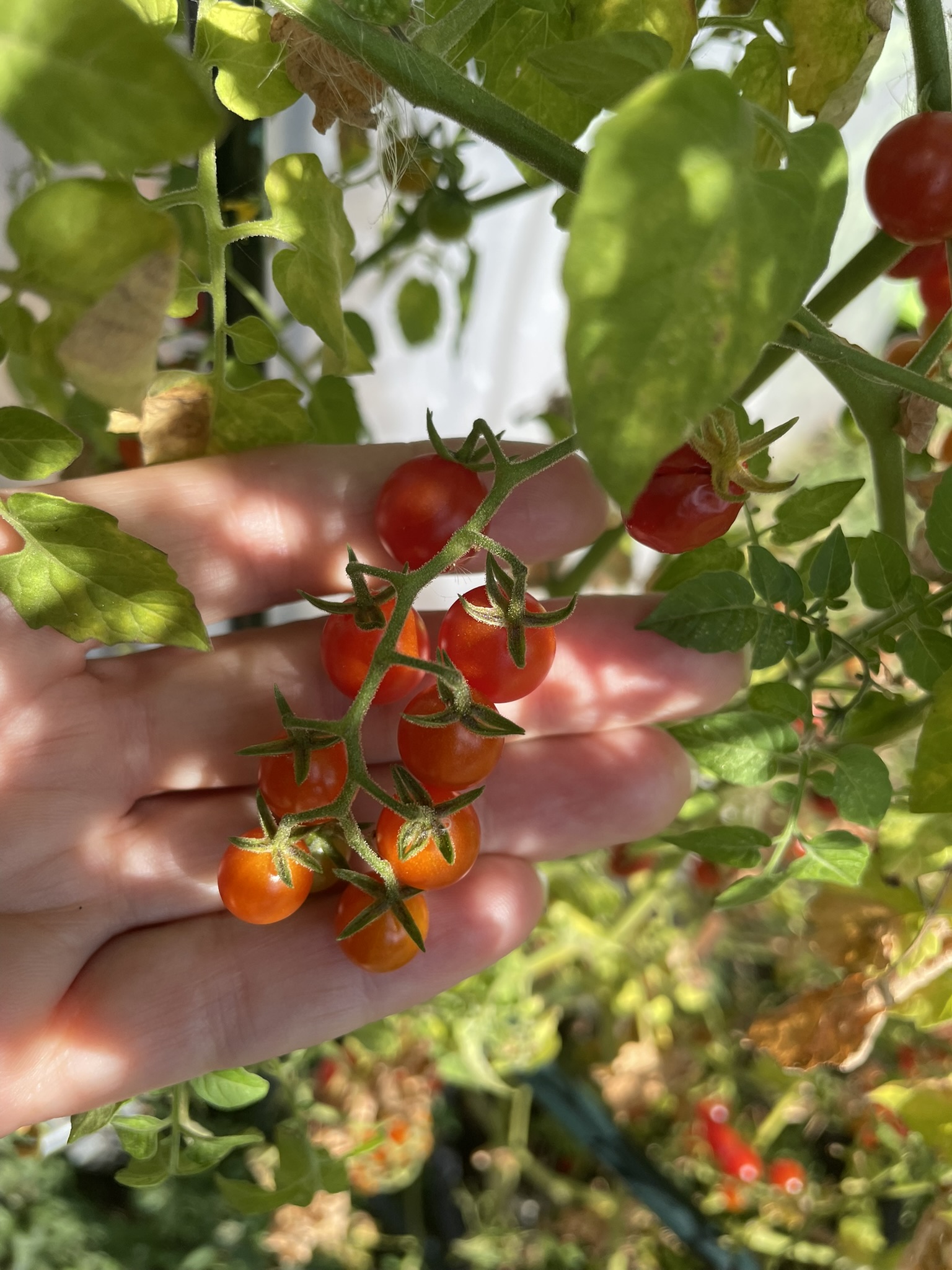
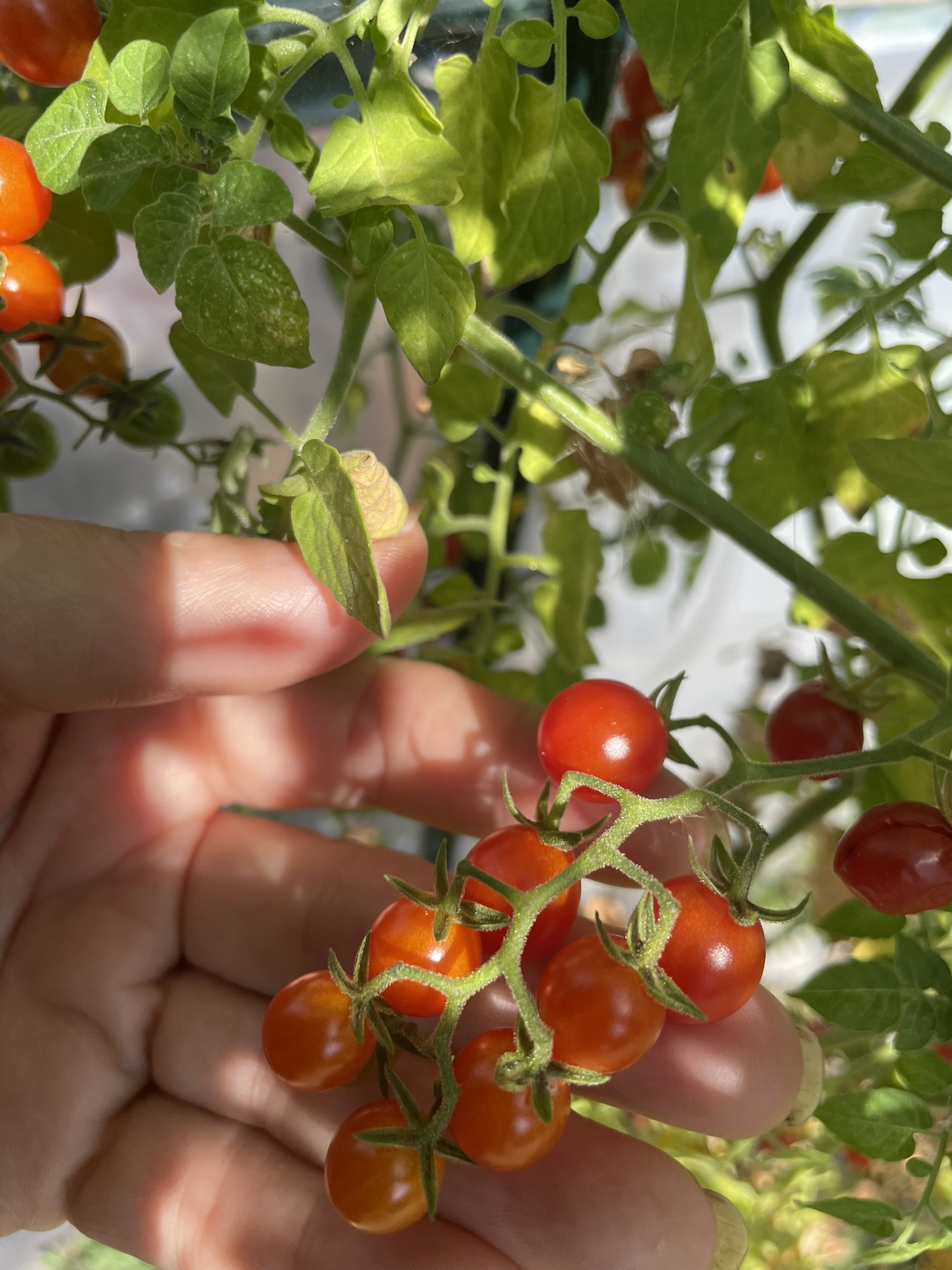
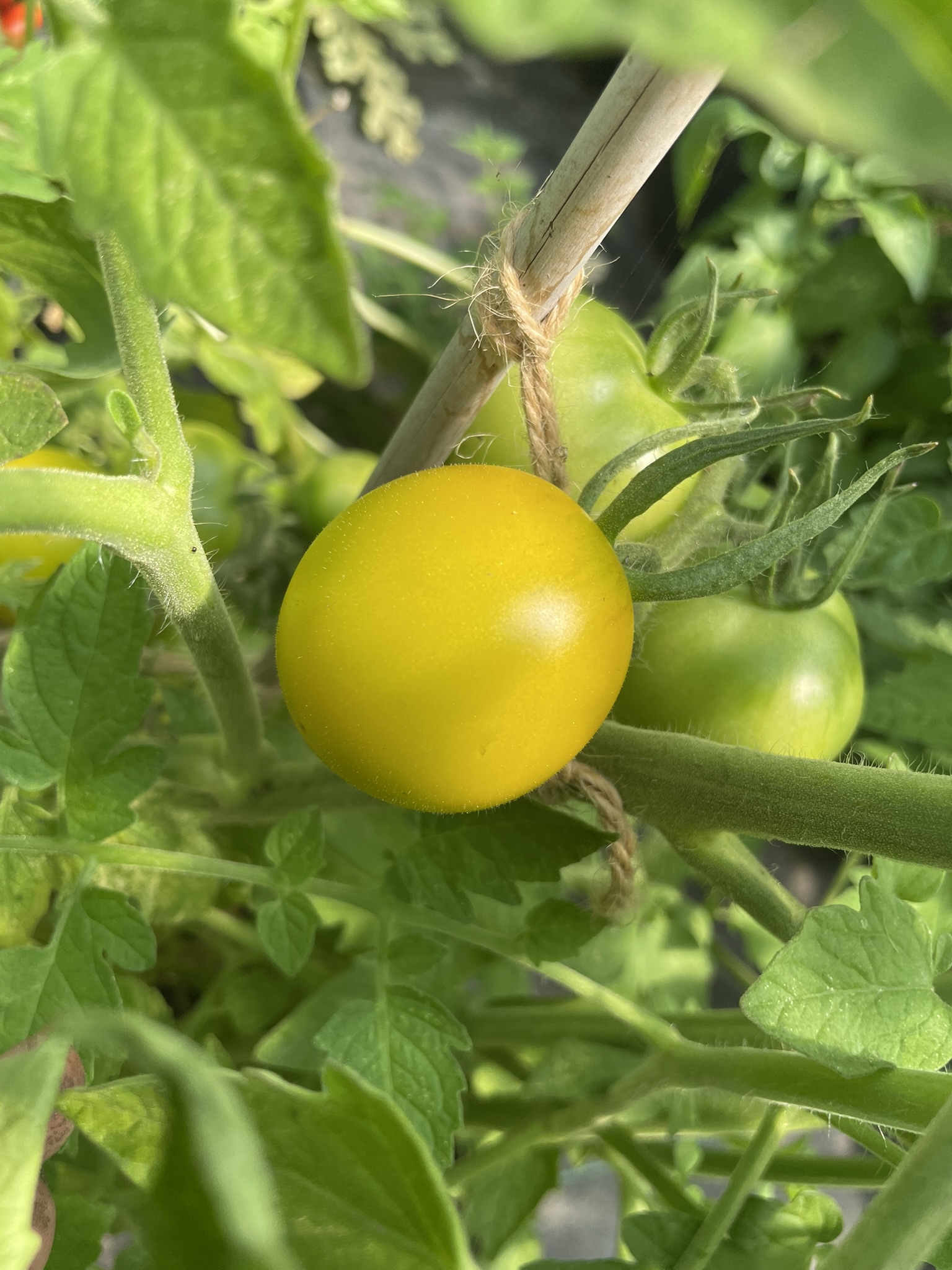
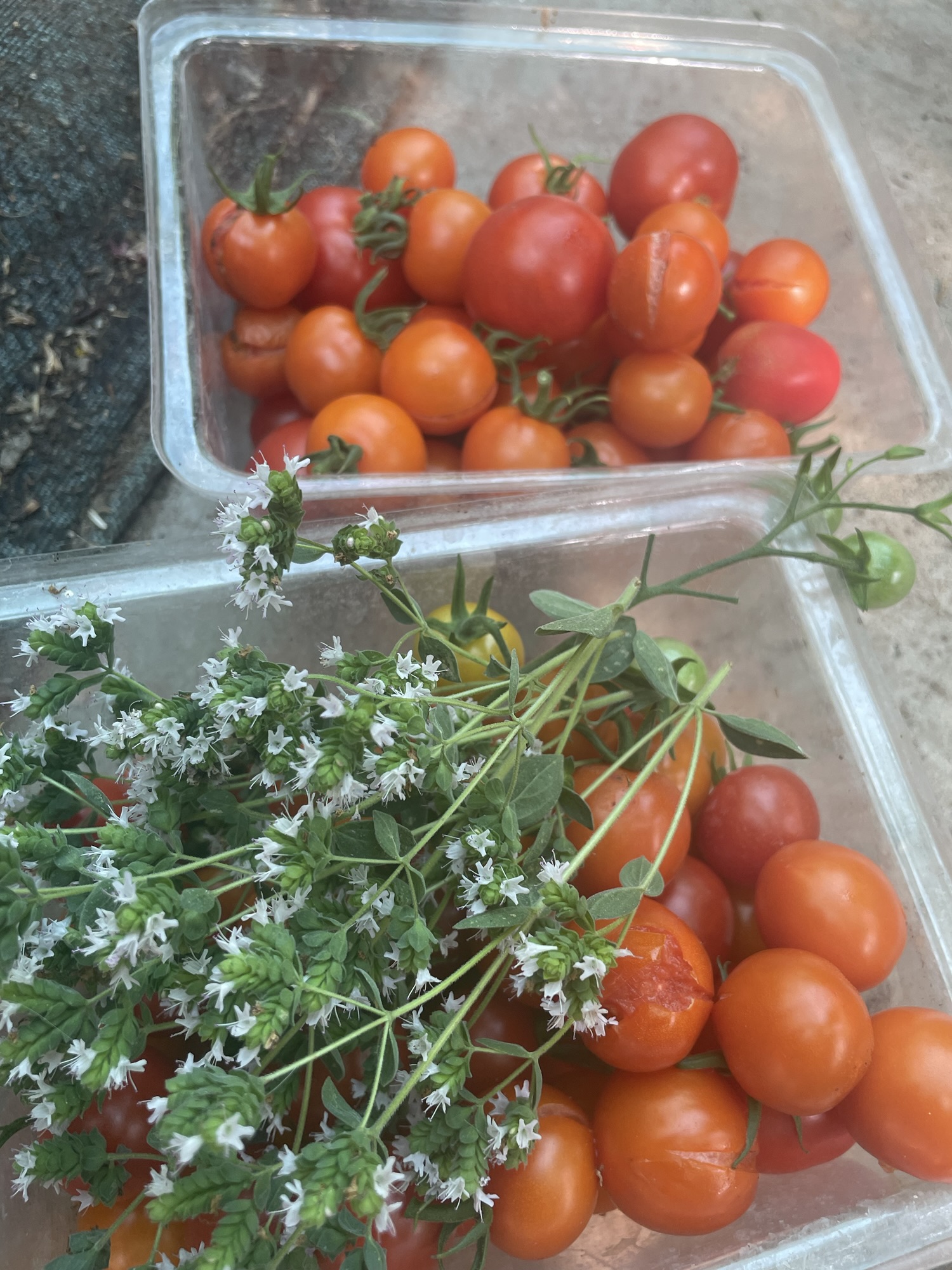
This year has been one of our best yet for tomatoes – and we couldn’t be more delighted! The plants have grown strong and healthy, filling the poly tunnel with a dazzling array of colours, shapes, and flavours. From tiny bursts of sweetness to unusual heritage varieties, every harvest has felt like opening a treasure chest.

A very special thank you goes to my friend’s dad – Geoff from Weymouth, who generously sent us his carefully saved tomato seeds. Thanks to him, we’ve been able to grow some incredible varieties that you don’t see in the shops. Among them are the delightful ‘Spoon’, a miniature tomato that is as sweet as it is charming, a peach-like tomato with a soft fuzzy skin, a mystery yellow variety that has surprised us with its sunny colour and juicy bite, and even a green tomato that is perfectly ripe when it looks unripe!

These tomatoes have been more than just a harvest – they’ve been a reminder of the joy of sharing, seed-saving, and the little surprises that nature gives us when we nurture it. Every salad, sandwich, and sauce we’ve made has tasted all the better knowing the story behind these seeds.

Here’s to another year of experimenting, growing, and sharing the fruits of our allotment with The Shelf social supermarket in Diss – and to keeping the seed-saving tradition alive for seasons to come.

Parkinson’s UK Info Event

Grow East Anglia at the Parkinson’s UK Information Event

Grow East Anglia were delighted to be part of the Parkinson’s UK Info Event yesterday—a fantastic day of connection, learning, and community spirit.

We joined a wide range of brilliant organisations including Citizens Advice Diss and Thetford, Rural Coffee Caravan, DanceEast, Archery GB, Milestone Fitness, Active Suffolk, Active Lives, and Wooden Roots African Drumming, all working to support health, wellbeing, and social connection in our region.

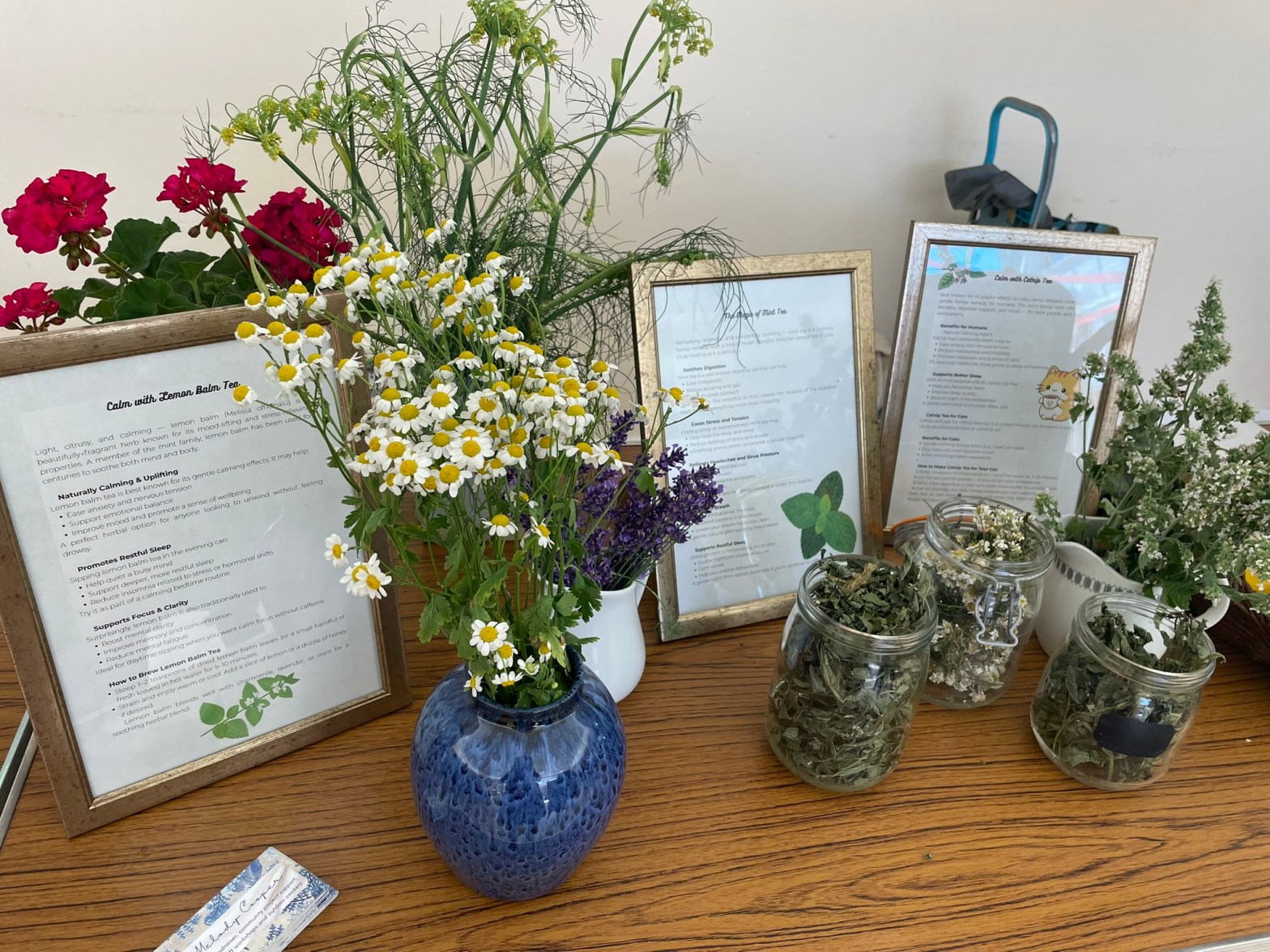
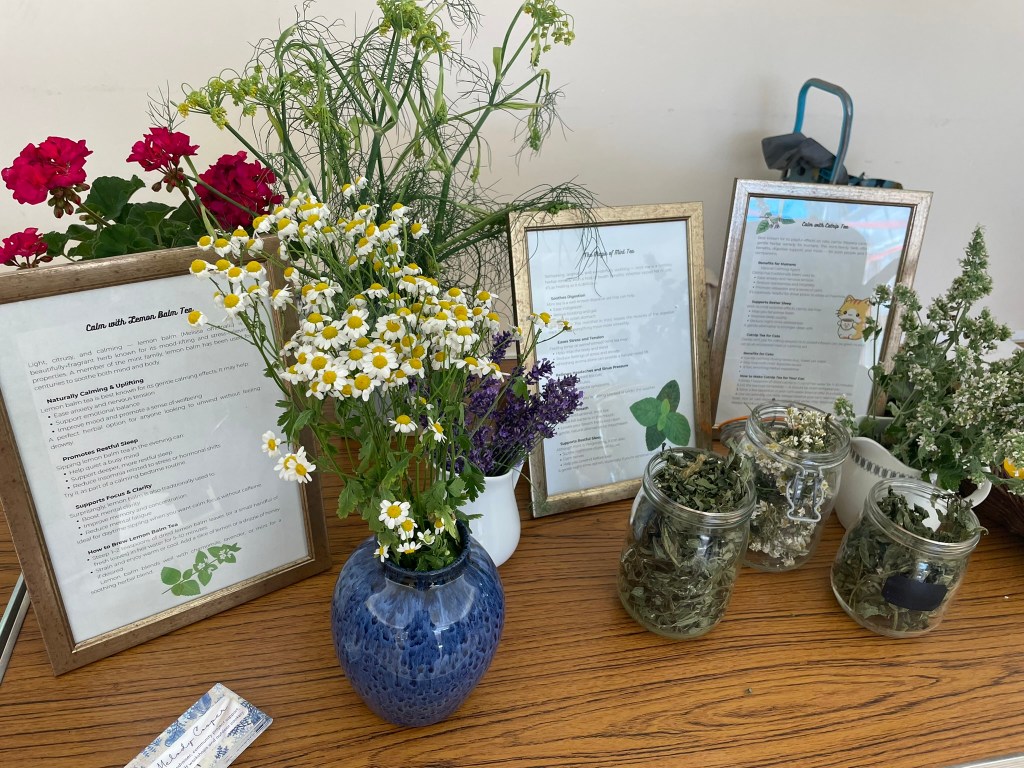
At our stall, we enjoyed chatting to visitors about the work we do at our community allotment—growing food for those in need, offering volunteering opportunities, and helping people feel more connected to nature and each other. We brought along a selection of homegrown herbal teas to share (lemon balm was especially popular!) and had some lovely conversations swapping gardening tips and plant care ideas.

It was inspiring to meet so many people committed to making a difference—whether through fitness, creativity, advice, or a welcoming cuppa—and we’re proud to be part of such a vibrant local network.

Thanks to Parkinson’s UK for organising such a meaningful event. We look forward to many more collaborations!

Grow your own Pizza

We look forward to welcoming you to this much anticipates workshop this Saturday! Just a reminder, the workshop is free, just bring toppings to share. Dough, tomato sauce and squash will be available on the day. Be prepared to get a little muddy as we’ll be potting up basil and chilli plants before we get into cooking pizzas.

See you there!!

Grow your own tea

Set among the greenery of our community garden, we explored the world of herbal teas, beginning with a wander through the beds to pick fresh plants including mint, lemon balm, and catnip.

Our recent Grow Your Own Tea workshop was a joyful blend of hands-on learning, delicious homemade treats, and storytelling magic.

Participants of all ages joined in as we harvested fragrant leaves, learning how to identify the herbs and understand their traditional uses. We discussed how to properly dry herbs for storage, and everyone had the chance to create their own tea blends using the dried leaves. We even made our own tea bags — simple, sustainable, and satisfying!

New Connections

Attendees left not only with their own hand-blended herbal teas and decorated gift bags, but also with new friendships and a renewed sense of connection to nature, wellbeing, and each other.

Each blend came with its own story. Mint for refreshment, lemon balm for calm, and catnip — the surprise favourite — for its gentle soothing qualities, especially for our feline friends! The children especially loved this one, carefully preparing little pouches of dried catnip to take home for their pets.

Adding to the charm of the day, storyteller Suzanne Arnold wove tales between sips of tea and slices of homemade cake. Her warm and captivating stories added an extra layer of magic, drawing smiles and laughter from everyone gathered.

Participant Comment

“It’s not often that we get to sit and relax as adults, and listening to a story with a home made cup of tea was a wonderful treat

KEY FEEDBACK

Suggestions included:

Afternoon workshops

Cooking with home grown produce

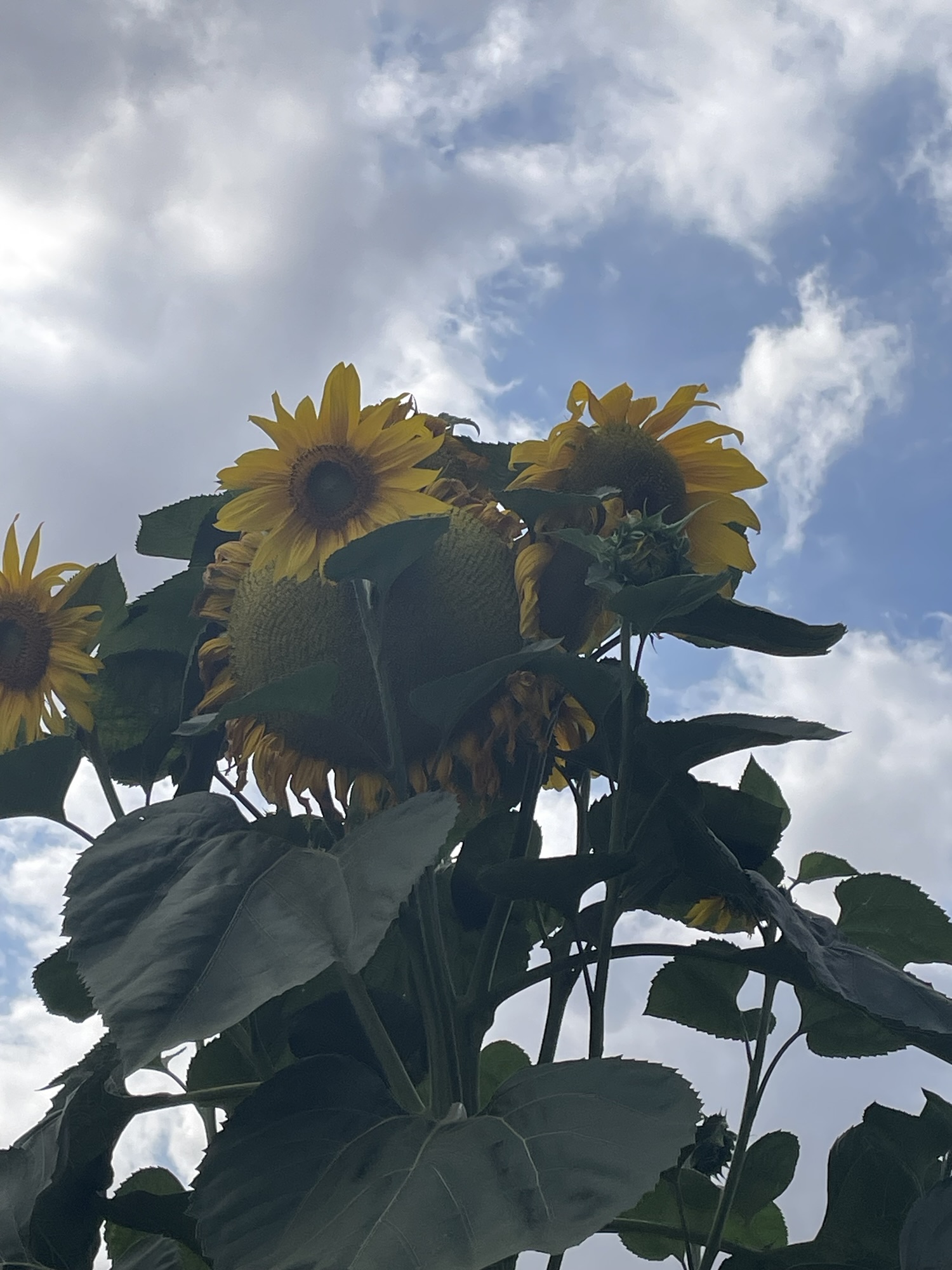
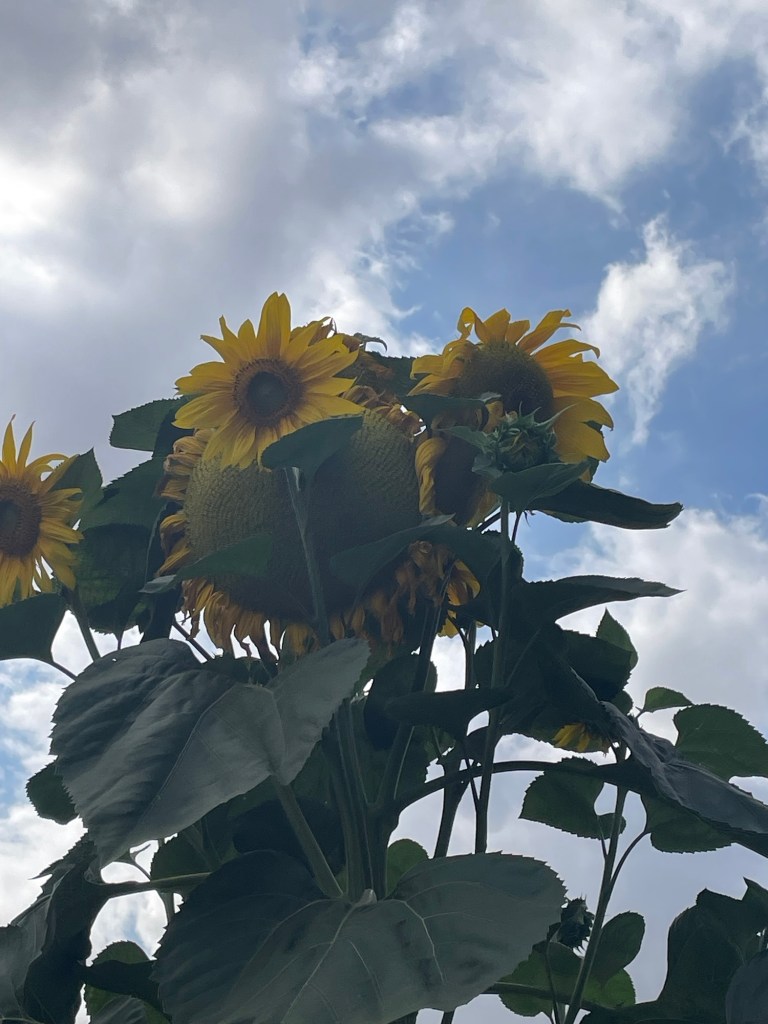
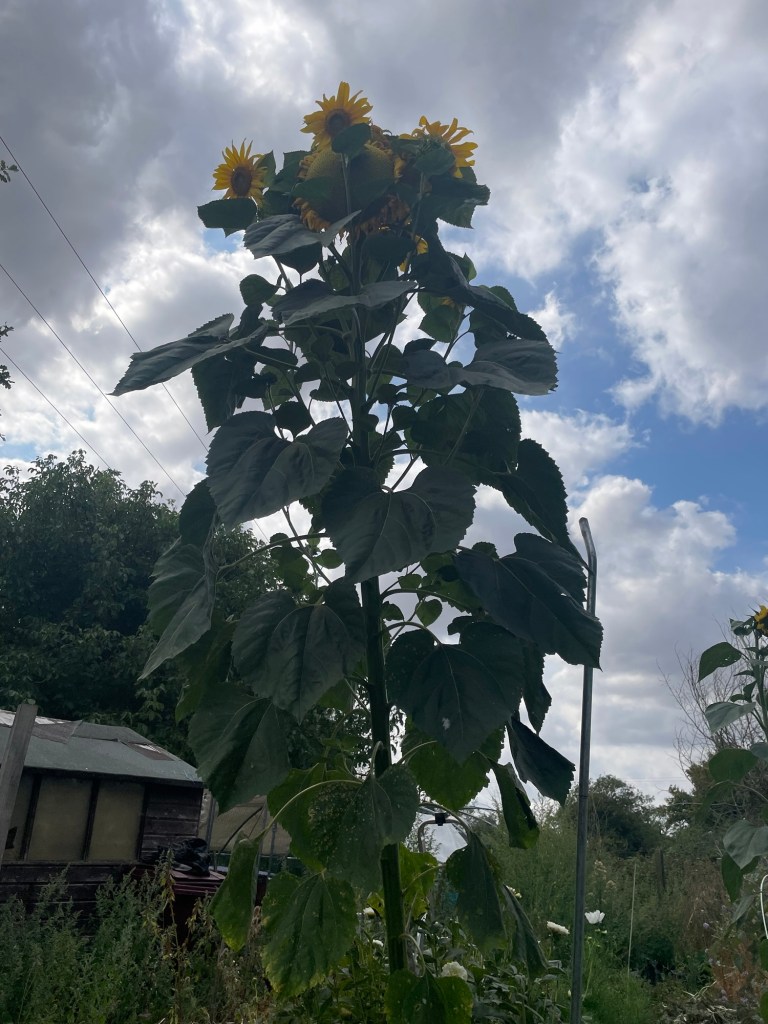
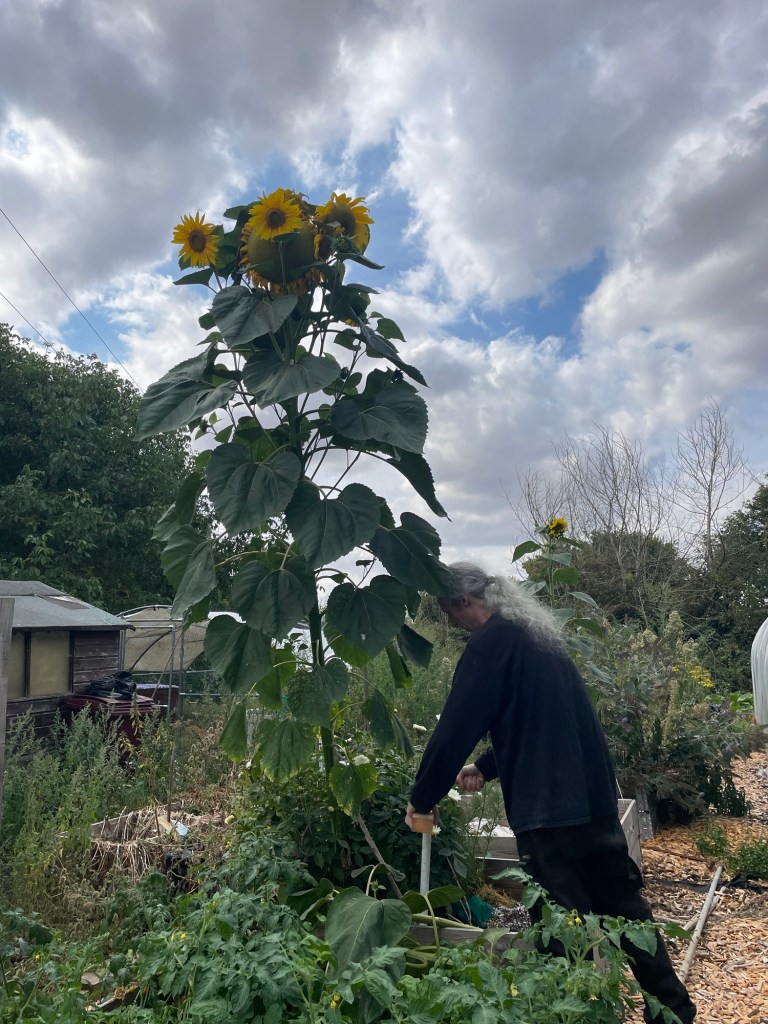
Sunflower growing competition

Composting workshop

TEA WORKSHOP – MAY 2025

New raised beds

Thanks to funding from the Sustainable Communities Food Fund, we’ve been able to add 12 brand new raised growing beds to our site—an incredible boost to our capacity to grow fresh, healthy food for the community.

Take a look at the before and after photos to see just how far we’ve come. It’s been a real transformation, and it wouldn’t have been possible without the hard work and dedication of our amazing volunteers. They’ve put in countless hours digging, building, and planting—and it really shows. We’re so proud of what’s been achieved!